Nel Drip Coffee at Home: Japan's Velvety Cloth-Filter Method
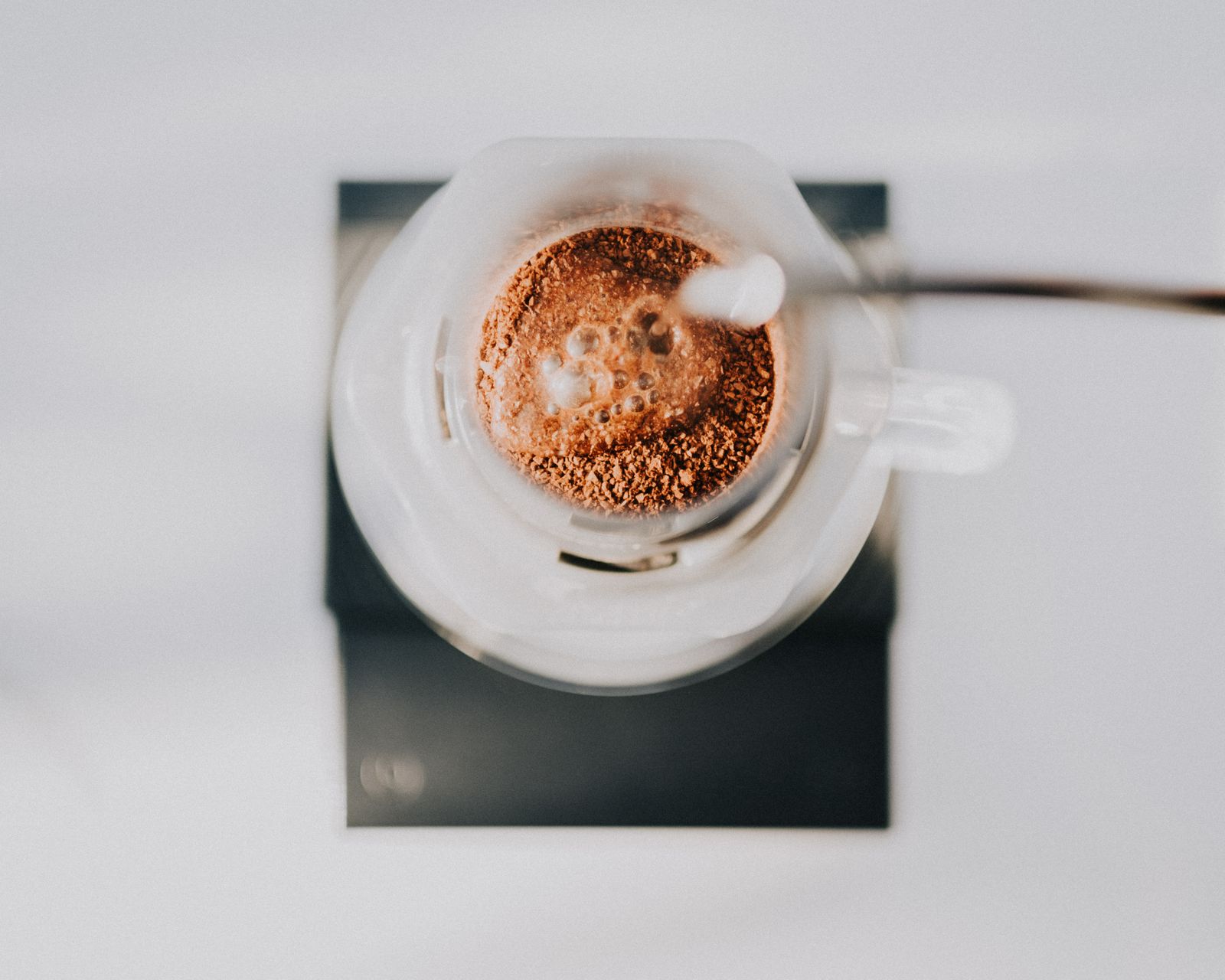
There's a particular kind of cup that paper drippers and French presses can't quite make. Paper gives you clarity but strips away the oils. A French press keeps everything, sediment and all. Nel drip lands somewhere in between — a brew with a velvety, almost silky body and a rounded, mellow sweetness that has kept Japan's coffee houses pouring it the same patient way for decades.
"Nel" is short for flannel — soft, napped cotton cloth. Instead of a paper cone or a metal mesh, you brew through a piece of fabric stretched over a wire ring. That single swap changes everything about how the coffee feels in the mouth.
It's absolutely something you can do at home. But let's be honest up front: the cloth is the catch. Unlike paper, you can't toss the filter when you're done — caring for it is the real difference between nel drip and any pour over you've tried before. That's the part most guides rush past, and it's the part we'll spend the most time on.
If you're new to brewing coffee the Japanese way, it's worth starting with the big picture first. Our complete guide to Japanese pour over covers the philosophy and the core techniques; this article zooms in on what makes nel its own thing — the cloth, the texture, the upkeep, and the culture behind it.
What is nel drip coffee?
Nel drip is a Japanese brewing method that uses a flannel cloth filter in place of paper or metal. The cloth is stretched over a metal ring fitted with a wooden handle; you set it over a carafe, add coarsely ground coffee, and pour low-temperature water over it in a very thin, very slow stream. That deliberate, almost meditative pour is as much a part of the method as the filter itself.
Why cloth changes the cup
Cloth sits right between paper and metal. It's porous enough to let coffee's natural oils pass through — which is where the richness and rounded body come from — but tight enough to hold back most of the fine particles and sediment that a metal mesh lets slip. The result is unusual: something close to the body of a French press, but with much of the clarity you'd expect from paper.
That balance is the whole appeal. You're not choosing between a clean cup and a heavy one. You're getting a third texture — full but not muddy, smooth but not thin.
Nel vs. paper vs. metal
A quick way to place all three: paper filters give you the cleanest, brightest cup, but they trap the oils, so the body is lighter. Metal mesh keeps every bit of oil and then some, which means full body but also grit and sediment. Cloth threads the needle — most of the oils, very little of the grit.
If what you actually want is the crisp, clean clarity of paper, a cone dripper is the easier path, and our Hario V60 recipe walks through that step by step. Nel is for when you're after body and softness instead.
The kissaten connection — why nel drip matters in Japan
To understand why anyone would go to this much trouble, it helps to know where nel drip lives. In Japan, it's the signature brew of the kissaten — the classic Japanese coffee house. The word translates roughly as "tea-drinking shop," but kissaten are about coffee at least as much as tea: dim, wood-paneled rooms, often Showa-era in feel, where a cup is brewed slowly, served carefully, and meant to be lingered over.
The figure most associated with nel drip's reputation is Katsuji Daibo, who ran Daibo Coffee in Tokyo's Omotesando district from 1975 until it closed in 2013. Daibo is often described as wanting to bring the spirit and the gestures of the tea ceremony to coffee — brewing each cup one at a time with an extraordinarily fine, slow drip, the water falling almost drop by drop. He's frequently credited as an influence on the third wave of specialty coffee, though that's a story told in tribute as much as in fact, and worth treating as such.
The point for a home brewer is this: nel isn't really about the equipment. It's about slowness, attention, and ritual. That's what you're signing up for when you brew this way — and it's the whole reason it's worth doing at home rather than reaching for something faster.
If you want the fuller story of these rooms, here's what a kissaten actually is — nel drip is, in many ways, its soul. A good number of them doubled as jazz kissa, too, where a slow cup came with a record spinning in the corner.
What you'll need
You don't need much, but a few things matter:
- A cloth drip set — a glass carafe with a wooden collar, plus a flannel filter mounted on a wire ring with a handle. Hario's "Woodneck" (also sold as "Cloth Drip") is the best-known version of this style.
- Spare flannel filters — the cloth is a consumable, so it's worth having a backup on hand.
- A gooseneck kettle — essential for the thin, controlled stream nel drip depends on.
- A scale with a timer — you'll want to brew by weight, not by eye.
- A burr grinder that can handle a coarse setting cleanly.
- Fresh beans — medium to dark roasts are the traditional match (more on that below).
- A demitasse or mug to pour into.
One thing to flag now so you don't get caught out: a brand-new flannel filter needs a little prep before its first use. Don't pour your first batch through it straight out of the package — we'll cover exactly what to do in the filter-care section.
The unhurried, deliberate pour at the heart of nel drip has a lot in common with how Japanese cafés brew across the board; if you want to feel that rhythm, see how to brew pour over like a Japanese café.
How to brew nel drip coffee (step by step)
Grind & water
Grind coarse — roughly French-press territory, or a touch finer. Cloth offers less resistance than paper and the water stays in contact with the grounds longer, so you generally grind coarser here than you would for a cone. Go too coarse and the cup comes out weak and underdeveloped; too fine and it turns bitter and over-extracted.
Water temperature: about 195–200°F (90–93°C). Many brewers go slightly cooler than they would for paper, the traditional reasoning being that the longer, lower-resistance contact between water and grounds extracts plenty without the extra heat.
Ratio: around 1:12 to 1:15 (coffee to water). Nel is traditionally brewed strong and in small amounts, so you'll often use a bit more coffee per cup than you would for a typical paper pour over. Weighing both the coffee and the water is what makes the result repeatable from one morning to the next.
The pour
- Set your prepped (already-dampened) filter on its ring and rest it over the carafe.
- Add the grounds and make a small indentation in the center of the bed.
- Bloom: pour just enough water to wet all the grounds, then wait about 30–45 seconds while they release their gases and swell.
- Pour slowly in a very thin stream — almost a string of drops — starting at the center and working outward in small, even circles.
- Aim for a total brew time of roughly 3 to 7 minutes per cup; a single small demitasse will land toward the shorter end.
Daibo was known for a drip so fine it was sometimes compared to a leaky faucet — water beading off almost one drop at a time. It's a beautiful thing to watch, and a useful image to aim for, but be realistic: that level of control takes years, and your first cups won't look like his. Slow and steady is plenty.
What it should taste like
Done well, nel drip is velvety and silky in the mouth, with a rounded sweetness, low perceived acidity, and an overall smoothness that's hard to get any other way. It's neither as crisp as paper nor as heavy as a press — that middle ground again. It pairs especially well with the medium-to-dark roasts that kissaten have long favored.
Caring for your flannel filter (the part most guides skip)
Here's the honest truth about brewing nel at home: the number one reason people give it up isn't the brewing — it's the filter. You can't throw a flannel filter away after one cup. And if you let it dry out between uses, the cloth degrades, picks up stale and musty odors, and can grow bacteria. So the cardinal rule is simple: keep the filter wet, always.
Before first use
A new filter needs to be cleaned of the sizing and any manufacturing residue before you brew through it. The common approach is to boil it in plain water — sources range from around 5 minutes in boiling water up to 10–15 minutes, so follow whatever your filter's instructions specify. Some brewers go a step further and "season" the cloth by boiling or soaking it together with used coffee grounds; it's a tradition rather than a requirement, so treat it as optional.
You'll also see debate about which way the napped (fuzzy) side of the filter should face — out or in. Honestly, the sources don't agree, and there's no clear consensus, so the safest move is to follow the instructions that come with your particular filter.
After each brew
Never use soap or detergent. Cloth readily absorbs oils and soap, and either one will wreck the flavor of your next cup. Instead, rinse the filter thoroughly under hot water until the water runs clear and the grounds are gone.
Storage between uses
Do not let the filter dry out. The standard method is to submerge it in clean cold water and keep it in the refrigerator — either in a zip-top bag with a little water, or in a small container of water set in the fridge. Change the water at least once a day to keep it fresh.
If you won't be brewing for a while, you can freeze the filter instead. Thaw it before the next use and boil it again to sanitize before brewing.
For ongoing upkeep, boil the filter from time to time to restore its porosity as oils build up and slow the flow. And accept that the filter is a consumable: after enough brews the cloth clogs and loses its character, and you replace it.
If all of that sounds like more maintenance than you signed up for, that's fair — and there's a wonderful Japanese method with zero filter upkeep. Japanese iced coffee (flash brew) gives you bright, clean coffee over ice with nothing to soak or refrigerate afterward.
Is nel drip worth it at home?
Here's the honest verdict: nel drip asks for real effort — mostly in filter care — and in return it gives you a texture and a slow, deliberate ritual you simply can't get from paper or a press. That makes it a wonderful weekend brew, or the method you reach for when you want a cup to be the moment rather than fuel for the next one.
For everyday cups, though, there's no shame in something lower-maintenance. If you want a forgiving brewer for daily use, the Kalita Wave is far easier to live with — no soaking, no refrigeration, just a paper filter you toss when you're done.
But if the idea of a velvety cup and a few quiet minutes of pouring appeals to you, nel is worth knowing. And once you've tried it, it's worth seeing where it fits in the bigger picture — explore the full world of Japanese pour over to see how the cloth method sits alongside everything else.
Frequently asked questions
What does "nel" mean in nel drip?
Nel is short for flannel — the soft, napped cotton cloth used as the filter. It's neither paper nor metal, but fabric.
Is nel drip the same as a Hario Woodneck or Cloth Drip?
Not exactly. Nel drip is the method; "Woodneck" and "Cloth Drip" are Hario's names for its equipment built for that method. You can brew nel drip with a Woodneck, but the technique itself predates and exists beyond any one product.
How is nel drip different from a paper pour over?
Cloth lets the coffee oils through, which gives nel a velvety, fuller body; paper traps those oils for a cleaner, lighter cup. The other big difference is upkeep — cloth needs ongoing care, while paper is single-use. (See our V60 recipe for the paper approach.)
What grind size and ratio should I use?
Grind coarse, roughly French-press territory or slightly finer. Use a ratio around 1:12 to 1:15, and water at about 195–200°F (90–93°C).
How do I store the flannel filter so it doesn't go bad?
Keep it wet. Submerge it in clean cold water and refrigerate it, changing the water at least once a day. Never use soap, and freeze it (then boil before reuse) if you're storing it long term.
How long does a nel filter last?
It's a consumable. With regular boiling to restore porosity it lasts a good while, but once the flow slows and the cloth stops performing, it's time to replace it.